A sea-to-plate lobster experience is exactly what it sounds like. You follow the journey of a Western Rock Lobster from the ocean where it is caught, through the way it is handled and prepared, all the way to the plate in front of you. Along the Coral Coast of Western Australia, this has become one of the most rewarding food adventures a visitor can enjoy, because the lobster you eat has often travelled only a short distance from the water to your table.
The idea appeals to people who care about freshness, provenance, and the story behind their meal. Instead of buying seafood that has passed through many hands, you get to see how it is caught, weighed, and cooked. Below you will learn what makes this experience special, where to try it, what to expect on the day, and how to plan a trip that suits your budget and your appetite.
What Does Sea to Plate Actually Mean for Lobster
At its heart, sea to plate is about the shortest possible route between the ocean and your fork. For lobster, that means fresh Western Rock Lobster that is caught in local waters, brought ashore quickly, and served without long storage or heavy transport. The phrase is often used loosely across the seafood world, so while there is no single fixed definition, the shared goal is clear, and accounts of the seafood journey consistently emphasise minimising the time between harvest and table to protect taste and texture.
Why Is Western Rock Lobster the Star
Western Rock Lobster is the local specialty along this stretch of coast, and this is well documented. Tourism resources and the fishery itself confirm that the waters between Cervantes and Geraldton form a premier area for this species, making the Coral Coast a natural home for it, as noted by the industry body behind the fishery. You may hear it called crayfish in casual conversation, and locals use both names freely. The technically correct name is Western Rock Lobster, which helps distinguish it from other species and reflects the way it is marketed and managed.
This species is prized for its sweet, firm flesh. Because it is fished in cool, clean Indian Ocean waters, it holds a strong reputation for quality both in Australia and overseas. Evidence backs this up, as the fishery has held continuous Marine Stewardship Council certification since 2000 and, according to Australian trade reporting, is prized by European customers for its sweet, light flavour and premium status.
How Does the Catch Get Tracked
One reassuring feature of a genuine sea-to-plate operation is oversight. Reputable operations weigh and record their catch carefully, and fisheries authorities are involved to make sure the process is transparent and legal.
This matters for two reasons. First, it supports sustainable fishing so that stocks stay healthy for the future. Second, it gives you confidence that what you are buying or eating has been handled properly and honestly. Research and industry standards support this, and the Marine Stewardship Council notes that certified sustainable lobster fisheries rely on responsible monitoring to track stock changes and minimise environmental impact.
How Does a Sea-to-Plate Lobster Experience Work in Practice
While every operator does things a little differently, the general flow is easy to picture. Understanding the steps helps you choose the version that fits your interests, whether you want a hands-on adventure or a relaxed meal with a view.
What Are the Typical Stages
- The catch. Lobster pots are set in the ocean and later hauled up, often with visitors watching or helping.
- The handling. Live lobsters are sorted, measured, and weighed, with careful records kept.
- The preparation. Lobster is cooked simply so the natural flavour shines, then plated or packed for you.
- The plate. You enjoy it fresh, often beside the water where it was caught.
Some experiences add a factory element, where you see how lobster is processed on a larger scale before it reaches restaurants and export markets. If that side of the story interests you, a behind the scenes look through a lobster factory tour near Perth gives real insight into how the supply chain works.
Can You Get Hands On With the Catch
Yes, and for many people this is the highlight. Interactive experiences let you help haul lobster pots and see live lobsters up close before they are prepared. Some operators even guarantee that each guest goes home with a lobster, which takes the guesswork out of the day.
If you want that active, roll up your sleeves feeling, a lobster catching tour puts you right in the middle of the action out on the water.
What Does a Sea-to-Plate Lobster Experience Cost
Budget is a fair question, and prices vary depending on whether you buy lobster to take home or dine in with a full experience. Having a rough guide helps you plan without surprises.
How Much Should You Expect to Pay
As a general benchmark, fresh lobster has at times been priced around 42 dollars per kilogram, though it is worth noting that lobster pricing varies widely and this figure can sit at the higher end of the range in many markets. A purchase of three medium lobsters weighing about 2.5 kilograms might land in the region of 100 dollars or more, but exact figures shift a great deal with size and market. Prices move with the season, demand, and market conditions, so treat these as a rough starting point rather than a fixed rate.
This price movement is well established. Reporting on market pricing for seafood confirms that fresh lobster fluctuates with seasonality, holiday demand, and broader market conditions such as fuel and export costs. Dining experiences are priced differently again, since they include cooking, service, and the setting. Below is a simple comparison to help you weigh up your options.
|
Option |
What You Get |
Best For |
Effort Level |
|---|---|---|---|
|
Buy fresh to take home |
Whole lobster by weight, cooked at home your way |
Self caterers and confident home cooks |
Higher, you do the cooking |
|
Dine in at the restaurant |
Freshly prepared lobster with an ocean view |
Travellers who want a relaxed meal |
Low, everything is done for you |
|
Hands on catching tour |
Pot hauling, live lobster interaction, take home catch |
Families and adventure seekers |
Active and immersive |
|
Factory tour plus meal |
Behind the scenes look and a fresh plate |
Curious foodies who love the full story |
Moderate, guided and easy |
Where Can You Try a Sea-to-Plate Lobster Experience in WA
The Coral Coast, roughly two hours north of Perth, is one of the finest places in the state for this kind of experience. The small coastal town of Cervantes is a natural stop, thanks to its working lobster industry and easy beachfront access.
Is It Worth the Drive From Perth
For most people, the answer is a happy yes. The route combines coastal scenery with the promise of a memorable meal, and it works beautifully as a single outing. If you want a ready made plan, a Perth to Cervantes day trip itinerary maps out how to fit the drive, the experience, and a few nearby highlights into one satisfying day.
Travellers often pair the lobster experience with other coastal attractions, turning a simple lunch into a full day of exploring. Because the region is compact, you can enjoy the ocean, the food, and a bit of local character without rushing.
What About Other Parts of the State
You will find sea-to-plate style seafood offerings in other coastal towns too, and some regions offer estuary and river based experiences where guided cruises haul pots and let you meet live lobsters. These vary from place to place, and the specific mix of experiences differs, so it is worth checking what is on offer locally. That said, the Coral Coast remains a standout for Western Rock Lobster specifically.
How Do You Choose the Right Experience for You
The best choice depends on your travel style, your group, and how involved you want to be. A little planning goes a long way toward a day that feels effortless.
What Should You Consider Before Booking
- Your appetite for activity. Choose a catching tour if you want hands on fun, or a restaurant meal if you prefer to relax.
- Your group. Families often love the interactive tours, while couples may prefer a quiet table with a view.
- Your timing. Availability shifts with the season, so booking ahead is wise during busy periods.
- Your budget. Decide whether you want to buy by weight or pay for a full dining experience.
- Your extras. Some visitors add nearby tours or an overnight stay to make a weekend of it.
What Is Normal Versus What Should Raise Questions
It is completely normal for prices to shift with the season and for availability to be limited on popular days. That is simply the nature of fresh seafood. What should give you pause is any operation that is vague about where its lobster comes from or how it is handled. Transparent weighing, clear provenance, and proper oversight are widely recognised as signs of a trustworthy experience. Industry standards echo this, with accounts of well managed fisheries showing that clear traceability and legal size verification are hallmarks of legitimate operations.
What the Research Says About Sea-to-Plate Lobster
- Western Rock Lobster enjoys a genuine international reputation for quality, backed by continuous Marine Stewardship Council certification and strong export demand in markets such as Europe.
- Careful oversight, traceability, and monitoring are well established features of sustainable lobster fisheries, supporting both healthy stocks and consumer confidence.
- Lobster prices reliably move with the season, demand, and wider market conditions, so any single price figure should be treated as a rough guide only.
- Published price data suggests specific dollar figures for fresh lobster can vary widely between regions and years, so local, current pricing is always the most reliable guide.
- The exact meaning of terms like sea to plate is not strictly defined, though the shared aim of a short, fresh journey from ocean to table is widely understood.
How Can Lobster Shack Help You Enjoy Sea to Plate
If the idea of fresh Western Rock Lobster by the ocean appeals to you, the good news is that planning it can be simple. You can choose the level of adventure that suits you and let the rest fall into place.
What Are Your Next Steps
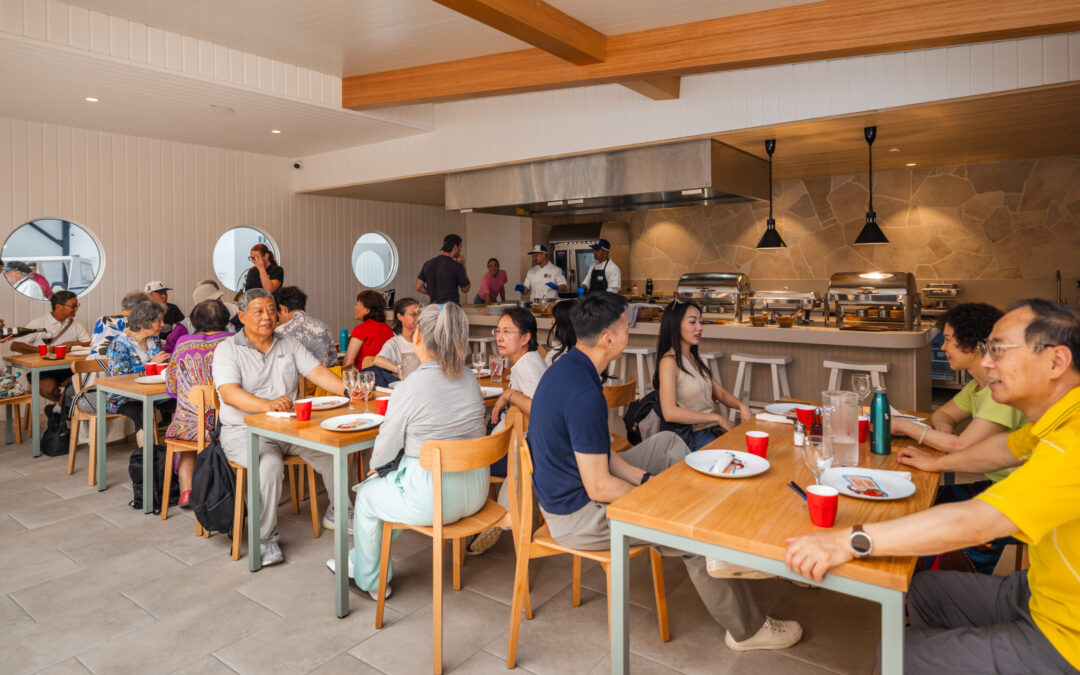
- Book a table to enjoy freshly prepared lobster beside the water at the beachfront seafood restaurant.
- Reserve a hands on catching tour if you want to help haul the pots yourself.
- Plan your travel using a day trip itinerary so the drive and the meal flow together smoothly.
- Consider adding a factory tour if you love learning the full story behind your food.
Booking ahead is the single most helpful thing you can do, especially in peak season when demand is high and the freshest catch goes quickly.
What Are the Key Takeaways
A sea-to-plate lobster experience gives you freshness, provenance, and a genuine sense of place. Along the Coral Coast, Western Rock Lobster is the local hero, caught in clean waters and served with minimal fuss so the flavour speaks for itself.
- Sea to plate means the shortest route from ocean to table, though the term is used flexibly across the seafood world.
- Western Rock Lobster is the correct name for the local specialty, though many call it crayfish.
- Careful weighing and fisheries oversight support quality and sustainability.
- Prices vary with the season, so use rough benchmarks as a guide only.
- Choose between buying fresh, dining in, or a hands on tour based on your style.
With a little planning and a short drive north of Perth, you can turn a simple meal into one of the most memorable food experiences the Western Australian coast has to offer.