Planning a trip up the Coral Coast and trying to decide between the two most popular seafood experiences in Cervantes? The choice usually comes down to a lobster catching tour vs factory tour, and both offer something genuinely different. One puts you out on the water with the crew, the other takes you behind the scenes of how the catch is handled once it comes ashore.
Cervantes sits about two hours north of Perth, making it an easy day trip or a relaxed overnight stop. Travel planning tools confirm the drive from Perth is roughly 195 to 198 kilometres, with a typical journey time of around two hours by car in normal traffic. A lobster catching tour is a hands-on experience out on a working vessel, while a factory tour is a guided walk through the processing and holding side of the operation. Below you will find a clear breakdown of what each involves, who they suit, how to time your visit, and how to lock in the right booking without second guessing yourself.
What Is The Difference Between A Lobster Catching Tour And A Factory Tour?
The simplest way to think about it is on the water versus on the land. A catching tour is active and weather dependent, while a factory tour is comfortable, reliable, and educational. Evidence from tour operators backs this up, with on-water experiences consistently described as hands-on and subject to conditions, and guided land tours widely regarded as educational, although comfort can vary with noise and the working environment. Neither is better in a universal sense, they simply reward different types of travellers.
What Happens On A Lobster Catching Tour?
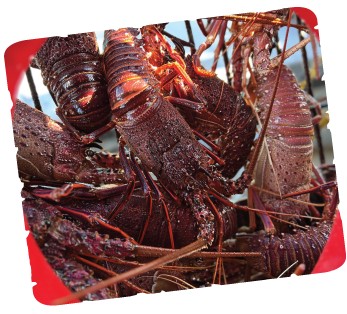
A catching tour takes you out to sea alongside experienced crew who work these waters regularly. Operators of similar experiences describe their crews as seasoned local fishermen who guide guests through the daily lobstering routine on working commercial vessels, as seen with tours like Lucky Catch Cruises. You get a close look at how pots are set and hauled, how the catch is sorted, and what daily life looks like for those who make a living from the ocean. It is immersive, a little unpredictable, and memorable in a way that stays with you.
- Close contact with live catch and working gear
- Real insight into sustainable practices and sizing rules
- Ocean views and a genuine sense of coastal life
- Weather and sea conditions can affect timing
Because these tours are active and weather dependent, captains make the final call based on safety and sea conditions, and may adjust or reschedule when the water is rough, as fishing charter weather policies make clear. If you want the full picture of what a day on the water looks like, the details on the lobster catching tour experience are worth reading before you decide.
What Happens On A Factory Tour?
A factory tour is the behind the scenes counterpart. You follow the journey from ocean to plate, learning how lobster is graded, held in seawater tanks, and prepared for both local tables and export markets. It is worth noting that the hands-on cooking side of the ocean to plate story sits mostly with the catching experience, while the factory tour focuses on how the catch is sorted, held in live tanks, and readied for destinations around the world. It is calm, informative, and easy to enjoy at any pace.
- Guided, indoor friendly, and comfortable in most conditions
- Great for understanding quality, grading, and freshness
- Ideal when you want structure and a fixed schedule
- Pairs neatly with a meal straight afterwards
Factory tours are widely recognised as educational, offering hands-on insight into how things are made, though the experience of comfort can vary a little with the working setting. You can explore what to expect on the Cervantes lobster factory tour to see how the experience is structured.
Which Cervantes Tour Suits Different Types Of Visitors?
Choosing well starts with being honest about your group, your energy levels, and how much you enjoy being on the water. The table below lays out the trade-offs side by side so you can match the experience to your day.
How Do The Two Tours Compare At A Glance?
|
Consideration |
Lobster Catching Tour |
Factory Tour |
|---|---|---|
|
Setting |
Out on the ocean |
On land, guided |
|
Energy level |
Active and hands-on |
Relaxed and paced |
|
Weather sensitivity |
Higher, sea conditions matter |
Lower, more reliable |
|
Best for |
Adventurers and curious travellers |
Families, mixed groups, casual visitors |
|
Learning focus |
Catching and marine life |
Processing, grading, and quality |
|
Time commitment |
Longer, weather dependent |
Shorter and predictable |
Who Should Lean Toward The Catching Tour?
If you love the ocean, do not mind a bit of movement underfoot, and want a story to tell afterwards, the catching tour is the standout. It suits confident travellers, keen photographers, and anyone who wants to understand the craft firsthand.
Who Should Lean Toward The Factory Tour?
If you are travelling with young children, older relatives, or people who prefer solid ground, the factory tour is the gentler pick. It is also a smart choice when your schedule is tight and you want a fixed start and finish time.
How Does Season And Timing Affect Your Booking?
Timing matters more than many visitors expect. Lobster activity follows seasonal patterns, and the availability of on-water experiences can shift across the year. Community observations from coastal visitors consistently point to one lesson, which is to check the current season window before you commit travel plans.
Why Does Season Matter So Much?
Catching tours are tied to when boats are working and when conditions allow. Operators publish clear lobstering schedules and reserve the right to modify trips in severe weather or high seas, so a tour that runs beautifully in one month may not operate in another. Factory tours tend to be more consistent year round because they are less exposed to the elements, a benefit shared by indoor factory tour experiences generally.
- Peak periods usually offer the widest choice of on-water experiences
- Off periods may limit catching tours but keep land based options open
- Sea conditions can cause short notice changes even in season
- Booking ahead protects you against sold out days during busy stretches
It is worth remembering that even a season with typically favourable conditions can bring short notice changes, since sea state is driven by fast moving weather that seasonal forecasts cannot pin down to a given day. Research on the seasonal cycle of wave height shows why real-time conditions, not the calendar alone, have the final say.
What Are The Common Pitfalls To Avoid?
A few small missteps trip up first time visitors. Being aware of them keeps your day smooth.
- Assuming on-water tours run every day of the year without checking
- Leaving the drive from Perth too late and missing the start time
- Not confirming what to wear or bring for a boat based experience
- Booking only after arrival on a peak weekend, then finding no spots left
If your trip is a same day return, mapping the drive early helps. The Perth to Cervantes day trip planner makes it easier to line up travel time with tour schedules.
Can You Do Both Tours In One Visit?
Yes, and many visitors find that combining the two gives the most complete picture. The catching tour shows you where the lobster comes from, and the factory tour shows you what happens next. Together they tell the full story from ocean to plate.
How Should You Sequence A Combined Day?
If you plan to do both, a little structure goes a long way. A morning on the water followed by a land based tour and a seafood lunch is a natural rhythm.
- Start with the on-water experience while energy and light are best
- Move to the guided land tour to rest and absorb the detail
- Finish with a beachfront meal to round out the day
Even if you only have time for one, knowing the other exists helps you plan a return trip. Many travellers who start with the factory tour come back for the ocean experience later, and the reverse is just as common.
What If The Weather Turns?
Because the ocean has the final say, it pays to have a backup. If a catching tour is postponed, the factory tour is a reliable alternative that keeps your day worthwhile. Building in this flexibility means an unexpected change of plan never feels like a wasted trip.
What The Evidence Shows About Cervantes Tours
If you like to plan with confidence, here is what the wider evidence points to.
- Cervantes really is about two hours from Perth, with the drive commonly measured at around 195 to 198 kilometres, so a day trip is very doable.
- On-water catching tours are genuinely active and weather dependent, with captains making safety-first calls on the day based on sea conditions.
- Booking ahead is a proven way to secure your spot, since popular lobster experiences can sell out during busy stretches.
- Land based factory tours are widely valued as educational and well structured, though comfort can vary a little with the working environment, so the descriptor is not uniform across every operator.
- The full ocean to plate story spans both experiences, with the cooking and tasting side leaning toward the catching tour and the grading and export side toward the factory tour, so the picture is a little more nuanced than a single tour tells.
How We Can Help You Choose And Book
Once you know which experience fits your group and your travel window, securing your spot is the easy part. Booking early is the single best move during busy periods, especially on weekends and school holidays when demand climbs. Reviewers of comparable lobster tours consistently advise booking ahead because limited passenger numbers mean the best days fill fast.
What Should You Do Next?
- Decide whether you want the on-water thrill, the land based insight, or both
- Check the current season window for on-water availability
- Confirm your travel time from Perth so you arrive comfortably early
- Reserve your preferred date before it fills up
When you are ready to lock in your date, head straight to the Cervantes tour booking page to secure your spot and avoid missing out.
Key Takeaways For Choosing Your Cervantes Experience
Both tours deliver something worthwhile, and there is no wrong answer, only the answer that fits your day best. The catching tour is the adventurous, hands-on option, while the factory tour is the comfortable, reliable, and educational one.
- Pick the catching tour for ocean immersion and a hands-on story
- Pick the factory tour for a calm, structured, weather-proof visit
- Check the season, since on-water tours are more time sensitive
- Consider doing both for the full ocean to plate journey
- Book ahead during peak periods to guarantee your spot
Whichever you choose, a Cervantes seafood experience rewards a little planning. Match the tour to your group, respect the season and the sea, and you will walk away with a day well spent on the Coral Coast.