
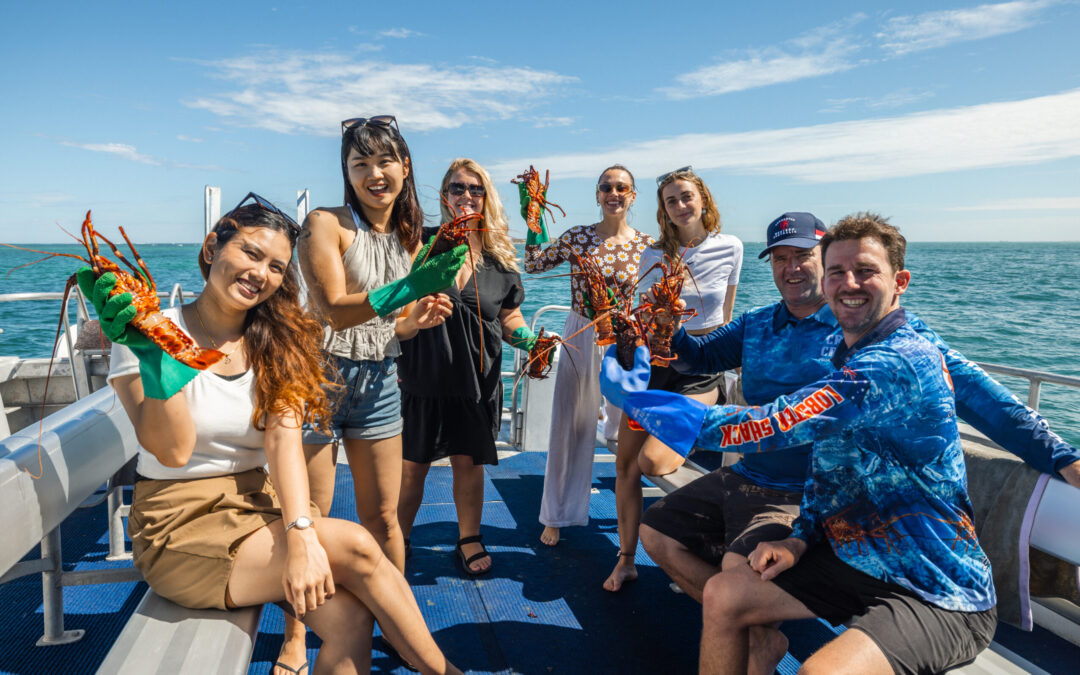
Planning a day on the water off the Cervantes coast is exciting, and knowing what to wear on a boat tour makes the difference between a relaxed outing and a chilly, sunburnt scramble. The Coral Coast delivers bright skies, salt spray, and shifting breezes, sometimes all within a single trip. A little preparation lets you focus on sea lions, lobster pots, and open ocean instead of fussing with the wrong footwear or a missing hat.
Below you will find practical, tested guidance on clothing, layers, footwear, and the essentials worth tucking into a small bag. The aim is comfort, sun safety, and versatility, so you stay easy on your feet whether you are stepping onto a jetty, settling into a boat seat, or wandering back for a seafood lunch afterwards.
Expect clear advice on what is genuinely useful, what tends to get left behind, and how to adjust for calm mornings versus breezier afternoons on the Western Australian coast.
What Clothing Works Best on a Coastal Boat Tour
The smartest approach is to pack versatile pieces that adapt to changing conditions. Coastal weather can swing from warm sunshine to a cool sea breeze in minutes, so a flexible outfit beats a single heavy layer every time. This is not just folklore, since research on sea breezes shows they can arrive as a sudden shift in wind direction, dropping temperatures by ten to fifteen degrees within a few minutes.
Why Are Layers So Important on the Water
Out on open water, the temperature often feels several degrees cooler than it does on shore. Studies of the coastal climate confirm this, since water heats and cools far more slowly than land and keeps the air above it noticeably cooler on warm days. A light, wind-resistant layer that you can slip on and off keeps you comfortable without weighing you down. Outdoor clothing experts describe these wind shells as ultralight essentials that block the cold bite of the breeze while weighing only a few ounces. Choose something you can tie around your waist or stash in a bag when the sun comes out.
- A light windbreaker or spray jacket for breeze and sea spray
- A breathable long-sleeve top for extra sun cover
- Quick-dry shorts or trousers that shrug off splashes
- A warmer layer if you are booked on an early morning departure
Should You Dress Up or Keep It Casual
Casual and practical wins for the boat itself. That said, many visitors combine a tour with a meal or a stroll around the beachfront, so a top that looks tidy on land as well as at sea is a clever choice. Community wisdom from frequent day-trippers points to the same idea, that clothing which moves easily between activities saves you from overpacking and constant changing.
Aim for pieces that feel relaxed on deck yet still look neat when you sit down for lunch. A simple dress, a light shirt, or a comfortable set that dries quickly all fit the bill.
Which Footwear Is Safest and Most Comfortable at Sea
Footwear deserves more thought than it usually gets. Wet decks, jetties, and uneven surfaces call for grip and comfort over style. The consistent advice from experienced travellers is to choose comfort over cute and keep the number of pairs you bring to a minimum.
What Kinds of Shoes Handle Wet Decks Well
Closed or secure footwear with a non-slip sole is ideal on a moving boat. Boating and safety experts consistently recommend closed-toe or securely laced shoes with grippy rubber soles, and marine suppliers such as West Marine point to siped, non-slip soles to prevent slipping on wet, pitching decks. Loose thongs can slide off or trip you up when the deck is damp. If you love the barefoot feel, keep it for the sand rather than the vessel.
- Boat shoes or trainers with grippy soles for stability
- Sturdy sports sandals with a heel strap if you prefer open shoes
- A spare dry pair for after the tour, so wet feet do not spoil lunch
Keep the total light. One reliable pair on the boat and one dry pair for later usually covers a full day out.
How Do You Protect Yourself From Sun and Spray
Sun protection matters greatly on the Western Australian coast. Guidance from HealthyWA advises sun protection whenever the UV Index is three or higher, which is most of the year here, though on some cooler winter days south of Perth the index can dip low enough that it is less critical. Reflected light off the water adds to your total exposure, but here the evidence is mixed. Research on sunburn at the seaside suggests water reflects less UV than many people assume, and that the bigger factors are simply a lack of shade and long hours of direct sun. Either way, treat sun safety as part of your outfit, not an afterthought.
What Sun Gear Should You Bring on Board
Frequent water-goers recommend keeping key items within arm’s reach rather than buried in a bag. Sunscreen and a hat you can grab the moment the sun breaks through are worth their weight.
- Broad-spectrum sunscreen, applied before you board and reapplied often
- A wide-brim or secured hat that will not blow off in the breeze
- Polarised sunglasses to cut glare and help you spot marine life
- A light wrap or towel for shade and for drying off after spray
A wrap or towel is genuinely handy for more than drying. It doubles as a cover-up when the wind picks up and as a cushion for a hard bench seat.
Is Sea Spray Something to Plan For
Yes, especially on faster runs or breezier afternoons. Quick-dry fabrics recover fast, while cotton stays damp and cold. This holds up well, since quick-dry synthetics are engineered to wick moisture and barely absorb water, whereas cotton can hold many times its weight in moisture and leave you feeling clammy. If you tend to feel the chill, keep that windbreaker close so a splash does not leave you shivering.
What Should You Pack in Your Boat Bag
A small, soft bag beats a large rigid one on a boat, where space is tight and floors can be wet. Frequent boaters agree, noting that soft-sided bags are flexible, compressible, and far easier to squeeze into tight storage than hard-shell luggage. Pack essentials you would rather not buy last minute, since coastal stops are not always set up for quick top-ups. The same principle applies as on longer trips, where carrying your own medications and personal items avoids inconvenience and premium prices.
Which Personal Items Are Worth Prioritising
- Any personal medication, including motion sickness tablets taken in advance
- A refillable water bottle to stay hydrated
- A dry bag or zip pouch to keep your phone and keys safe from spray
- A light snack if you are on a longer tour
- A spare top or towel sealed away for the trip home
A dry bag or waterproof zip pouch is a small investment that pays off. Reviewers who have tested dozens of waterproof pouches confirm they keep phones and keys safe from spray and splashes throughout a day on the water.
How Do You Manage Motion Sickness
If you are prone to feeling queasy, take a remedy before departure rather than once symptoms start. Medical guidance from the CDC confirms that motion sickness tablets work best when taken around thirty to sixty minutes before travel, since taking them after symptoms begin can be less effective. Sitting toward the middle of the boat, keeping your eyes on the horizon, and staying hydrated all help too. Sitting mid-ship places you closest to the vessel’s centre of gravity, which is why the Cleveland Clinic and others recommend it for the smoothest ride. This is general comfort advice, so anyone with specific health concerns should speak with a pharmacist or doctor before travelling.
How Should You Adjust for Different Cervantes Tours
Not every outing calls for the same kit. A gentle sea lion cruise has different needs from a hands-on lobster-catching trip or a longer fishing charter. That said, the differences are often about what you choose to bring rather than strict requirements. Our sea lion tour, for example, offers optional swimming with snorkels available on board, so packing is partly down to how you want to spend the day. Matching your bag to the activity keeps you comfortable and prepared.
|
Tour Style |
Best Clothing Focus |
Extras Worth Bringing |
|---|---|---|
|
Sea lion or scenic cruise |
Light layers, sun cover, comfortable seat wear |
Camera, sunglasses, wrap for shade |
|
Lobster-catching experience |
Quick-dry clothing you do not mind getting wet |
Spare top, hand towel, grippy shoes |
|
Fishing charter |
Sturdy layers, wind protection, sun sleeves |
Extra sunscreen, water, snacks, dry bag |
|
Short jetty-based visit |
Casual, tidy wear suitable for dining after |
Hat, sunglasses, light jacket |
Are There Seasonal Differences to Watch
Summer mornings can start cool and warm quickly, so a removable layer earns its place. Cooler months bring stronger breezes on the water, making a windproof layer and warmer top the sensible core of your outfit. Check the forecast the day before, then pack for one step cooler than you expect on shore.
What the Evidence Shows About Dressing for the Water
- Coastal and open-water conditions really do run cooler than the shore, because water holds and releases heat slowly and a sea breeze can drop the temperature sharply within minutes.
- Non-slip, secure footwear is strongly backed by boating and safety experts as the safest choice on wet, moving decks.
- Quick-dry synthetic fabrics recover far faster from spray than cotton, which tends to stay damp and cold.
- Motion sickness tablets are most effective taken in advance, and sitting mid-ship helps keep the ride smooth, according to medical guidance.
- Sun protection is essential most of the year on this coast, though the evidence is more mixed on cool winter days when the UV Index drops below three.
- Water does reflect some UV, but experts note the effect is smaller than many assume, so shade and covering up still matter most.
What Are the Most Common Packing Mistakes to Avoid
A few predictable slip-ups catch visitors out. Knowing them in advance keeps your day smooth.
- Bringing only one outfit and having nothing dry for the trip back
- Relying on thongs or slippery-soled shoes on a wet deck
- Forgetting a hat or leaving sunscreen buried at the bottom of a bag
- Overpacking a bulky bag that is awkward in tight boat spaces
- Ignoring the sea breeze and arriving with no warm layer
The theme running through all of these is versatility with restraint. Bring pieces that do double duty, keep quantities modest, and store the important items where you can reach them fast.
What To Do Next Before Your Cervantes Adventure
Once your outfit and boat bag are sorted, the final step is locking in your booking and planning the rest of the day around it. Cervantes rewards visitors who leave time for the water, a fresh seafood meal, and a wander along the coast.
How Can You Make the Most of the Day
- Confirm your tour time and arrival point in advance
- Lay out your layers, footwear, and sun gear the night before
- Pack a small dry bag with medication, water, and a spare top
- Plan a relaxed meal or beachfront stop to round out the trip
- Allow travel buffer time if you are heading up from Perth for the day
Choosing quick-dry, comfortable clothing and keeping your essentials close means you can step aboard relaxed and ready. That freedom to simply enjoy the ocean, the wildlife, and the coastline is the whole point of a day out here.
Key Takeaways for a Comfortable Boat Tour
Dressing well for a Cervantes boat tour comes down to a handful of reliable principles. Choose versatile, quick-dry clothing, add a light layer for breeze and spray, and prioritise safe, comfortable footwear over anything purely for looks.
- Layer up so you can adapt to sun, wind, and cooler morning starts
- Keep sunscreen, a hat, and sunglasses within easy reach
- Bring a spare dry top and a small dry bag for valuables
- Carry your own medication and water rather than relying on buying it later
- Match your kit to the specific tour you have booked
With comfort and sun safety handled, the sea lions, lobster pots, and sweeping ocean views can take centre stage. Pack thoughtfully, travel light, and enjoy every moment on the water.