
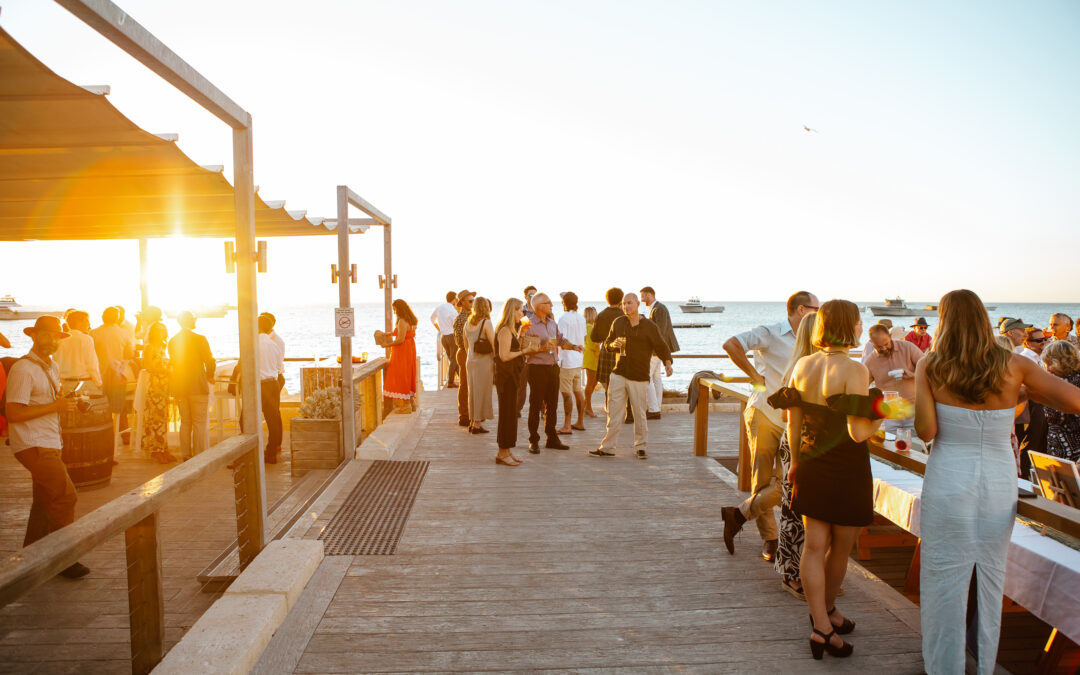
Planning a coastal wedding in Western Australia offers couples the chance to exchange vows against stunning ocean backdrops, but choosing the right coastal wedding venues WA requires careful consideration of several key factors. From accessibility and weather patterns to catering options and accommodation for guests, coastal venues present unique opportunities and challenges that differ significantly from traditional city venues.
Western Australia’s coastline stretches for thousands of kilometres, offering everything from rugged clifftop settings to pristine sandy beaches. According to Geoscience Australia, the state’s mainland coastline extends over 12,895 kilometres, providing an extraordinary variety of wedding locations. The state’s coastal wedding venues range from intimate beachfront restaurants to large resort complexes, each with distinct advantages depending on your vision, guest count, and budget. Understanding what to prioritise during your venue search will help ensure your special day unfolds smoothly while creating unforgettable memories for you and your guests.
This guide covers the essential considerations for selecting coastal wedding venues in WA, from practical logistics to design elements that make the most of your oceanfront setting. Whether you’re planning an intimate ceremony for close family or a grand celebration with hundreds of guests, these insights will help you make an informed decision that aligns with your wedding dreams and practical needs.
How Important Is Location Accessibility for Coastal Venues
Accessibility represents one of the most critical factors when evaluating coastal wedding venues, particularly those located outside major metropolitan areas. Research consistently identifies accessibility as an essential factor when selecting wedding venues, ensuring all guests can participate fully in your celebration. Many of Western Australia’s most spectacular coastal venues sit hours away from Perth’s airport and city centre, though the evidence is mixed – while venues like Cottesloe Beach remain easily accessible within 30 minutes of the city, more remote coastal locations definitely create logistical considerations that can significantly impact your guest experience and wedding budget.
What Travel Challenges Should You Anticipate
Coastal venues often require guests to navigate winding roads, limited public transport options, and potentially challenging driving conditions depending on weather. Consider how elderly relatives, guests with mobility concerns, or those unfamiliar with the area might manage the journey. Some venues offer shuttle services from major transport hubs, while others expect guests to arrange their own transportation.
Factor in potential delays due to traffic, road construction, or adverse weather conditions that could affect ceremony timing. Coastal areas can experience sudden weather changes that make travel more challenging than expected, particularly during winter months when dramatic weather shifts including howling winds and severe storms are more common and require frequent monitoring.
How Does Distance Affect Guest Attendance
Remote coastal locations may influence which guests can attend your wedding. International visitors might find it particularly challenging to coordinate multiple legs of travel, while guests with young children or elderly family members might hesitate to commit to long journeys. Consider providing detailed travel information and suggested accommodation options when sending invitations to help guests plan accordingly.
Some couples find that coastal venue remoteness actually enhances their celebration by creating a more intimate gathering of truly committed guests, while others prefer venues closer to major transport links to maximise attendance.
What Weather Considerations Matter Most for Coastal Weddings
Western Australia’s coastal climate varies dramatically by season and specific location, as confirmed by multiple tourism and climate sources that document everything from Mediterranean conditions in the southwest to tropical patterns in the north. This variation makes weather planning essential for outdoor celebrations. Understanding regional patterns and having comprehensive backup plans ensures your wedding proceeds smoothly regardless of conditions.
Which Seasons Offer the Most Reliable Weather
Summer months generally provide warm temperatures and minimal rainfall in most WA coastal regions, though the evidence shows summer weather can still be unpredictable with potential afternoon showers and variable conditions. However, summer also brings stronger winds and intense heat that can make outdoor ceremonies uncomfortable during midday hours. Many coastal venues recommend morning or late afternoon ceremonies to avoid peak sun intensity.
Autumn often offers ideal conditions with milder temperatures, reduced wind, and spectacular light for photography. Spring can be beautiful but may include unpredictable weather patterns as seasons transition. Winter coastal weddings require careful planning due to increased rainfall averaging 17-18 days per month and cooler temperatures, though clear winter days can provide stunning atmospheric conditions.
How Should You Plan for Weather Contingencies
Successful coastal venues typically offer multiple ceremony and reception spaces to accommodate weather changes. Look for venues with covered areas that still maintain ocean views, such as pavilions, covered terraces, or indoor spaces with large windows facing the water.
- Verify the venue has adequate shelter for all guests during sudden weather changes
- Understand policies around moving ceremonies indoors and associated costs
- Consider wind protection for candles, decorations, and sound equipment
- Plan appropriate attire recommendations for guests given potential weather variations
- Discuss backup timing options if weather conditions deteriorate
What Catering Options Work Best at Coastal Venues
Coastal wedding venues often excel at seafood offerings, taking advantage of fresh local produce and ocean-to-plate dining experiences. However, catering logistics at coastal locations require special consideration for food safety, menu variety, and service quality.
How Do Coastal Venues Handle Fresh Seafood Safely
Reputable coastal venues maintain strict cold chain protocols and work with trusted local suppliers to ensure seafood quality and safety. Food safety guidelines emphasise the importance of temperature control below 40°F for seafood using ice, coolers, and refrigeration to prevent bacterial growth, particularly crucial at outdoor coastal events. Ask about their sourcing practices, storage facilities, and how they handle seafood preparation during warmer months when food safety becomes even more critical.
Many coastal venues offer tasting sessions that allow you to experience their seafood quality firsthand, though the evidence suggests this varies between venues with some offering comprehensive tastings while others may not. These tastings also help identify any dietary restrictions or preferences among your guest list that might require menu modifications.
What Menu Flexibility Should You Expect
While coastal venues often specialise in seafood, quality venues accommodate diverse dietary requirements including vegetarian, vegan, gluten-free, and cultural preferences. Discuss menu customisation options early in your planning process, particularly if you have guests with specific dietary needs or cultural food requirements.
|
Menu Consideration |
Key Questions |
Why It Matters |
|---|---|---|
|
Seafood sourcing |
Local suppliers, sustainability practices, seasonal availability |
Ensures quality and supports local economy |
|
Dietary accommodations |
Vegetarian, vegan, gluten-free, cultural options |
Ensures all guests can enjoy the meal |
|
Service style |
Buffet, plated service, cocktail style, family sharing |
Affects ambiance and guest interaction |
|
Beverage packages |
Wine selection, cocktails, non-alcoholic options |
Impacts overall experience and budget |
Which Venue Facilities and Amenities Are Essential
Coastal wedding venues require specific infrastructure to handle unique challenges like sand, salt air, wind, and varying weather conditions. Understanding which facilities are essential versus nice-to-have helps prioritise venues that will deliver a smooth celebration.
What Infrastructure Supports Successful Coastal Events
Reliable power supply becomes crucial at coastal venues, particularly those in remote locations where backup generators might be necessary for lighting, sound systems, and catering equipment. Ask about the venue’s electrical capacity and backup systems to avoid disruptions during your celebration.
Adequate restroom facilities, preferably with proper plumbing rather than portable options, enhance guest comfort significantly. Quality coastal venues invest in well-maintained facilities that can handle larger groups without compromising hygiene or convenience.
How Important Are Bridal Preparation Spaces
Dedicated bridal preparation areas protect wedding parties from wind, sand, and sun while providing comfortable spaces for final touches. Look for venues offering climate-controlled rooms with good lighting, mirrors, and adequate space for multiple people to prepare simultaneously.
Some coastal venues provide separate preparation areas for different wedding parties, which can be particularly valuable for larger weddings or when cultural traditions require specific arrangements.
What Photography Opportunities Should Coastal Venues Provide
Coastal settings offer spectacular natural backdrops, but the best venues understand how to maximise photographic opportunities while managing challenging lighting conditions and environmental factors that can affect image quality.
Which Lighting Conditions Work Best for Coastal Photography
Golden hour photography along the coast creates stunning imagery, but venues should offer flexibility in ceremony timing to take advantage of optimal light. Morning ceremonies often provide softer, more flattering light than midday celebrations, while sunset ceremonies can be magical but require careful timing coordination.
Quality coastal venues understand how ocean reflection, sand, and sky interact to create unique lighting challenges and opportunities. Experienced venue coordinators can advise on timing and positioning to optimise both ceremony experience and photographic results.
What Backup Photography Locations Does the Venue Offer
Weather changes or extreme conditions might require alternative photography locations. The best coastal venues provide multiple scenic options including covered areas, elevated viewpoints, architectural features, and landscaped spaces that maintain visual appeal even when beachfront access becomes challenging.
- Indoor spaces with ocean views for intimate portraits
- Covered outdoor areas for weather protection
- Elevated platforms or decks for panoramic shots
- Gardens or landscaped areas for variety
- Architectural features that complement coastal themes
How Do Coastal Venues Handle Guest Accommodation Needs
Remote coastal venues often require overnight accommodation for guests, making lodging availability and quality a significant factor in venue selection. Understanding accommodation options helps ensure guest comfort and may influence overall wedding logistics.
What Accommodation Options Should You Research
Some coastal venues offer on-site accommodation or have partnerships with nearby hotels, resorts, or holiday rentals. Others require guests to secure independent accommodation in surrounding areas. Research accommodation capacity, quality standards, and booking requirements well in advance, particularly for peak season weddings.
Consider providing guests with a range of accommodation options at different price points, from luxury resorts to budget-friendly motels or camping facilities, depending on your guest demographics and the local area’s offerings.
How Does Accommodation Availability Affect Wedding Planning
Limited accommodation capacity might influence your guest list size or wedding date selection. Popular coastal areas often book out quickly during peak seasons, school holidays, and long weekends. Early booking coordination becomes essential to ensure adequate accommodation for all guests.
Some couples choose to block-book accommodation options to guarantee availability and potentially secure group rates, while others prefer to provide recommendations and let guests make individual arrangements based on their preferences and budgets.
What Should You Know About Coastal Venue Pricing and Packages
Coastal venue pricing often differs from city venues due to unique operational challenges, seasonal demand fluctuations, and the specialised services required for waterfront celebrations. Understanding pricing structures helps set realistic budgets and compare venues effectively.
Which Factors Influence Coastal Venue Costs
Seasonal pricing variations can be significant at coastal venues, with summer and holiday periods commanding premium rates. Evidence from coastal wedding venues shows substantial seasonal differences, with high season packages ranging $10,000-$12,000 compared to low season rates of $6,000-$8,000. Weather-related infrastructure, specialised equipment for outdoor events, and higher insurance costs for waterfront locations often contribute to overall venue expenses.
Transportation and logistics costs may also factor into venue pricing, particularly for remote locations where vendors must travel significant distances or face challenging load-in conditions due to sand, stairs, or limited vehicle access.
What Package Inclusions Provide the Best Value
Comprehensive packages that include weather contingency planning, specialised coastal equipment, and coordination services often provide better value than basic venue rental. Look for packages that address coastal-specific challenges like wind management, sand protection for equipment, and alternative ceremony locations.
|
Package Element |
Standard Inclusion |
Premium Addition |
|---|---|---|
|
Ceremony setup |
Basic seating arrangement |
Weather-resistant equipment, wind protection |
|
Reception space |
Tables and chairs |
Climate control, backup indoor space |
|
Catering service |
Standard menu options |
Fresh local seafood, customised menus |
|
Event coordination |
Basic timeline management |
Weather monitoring, contingency planning |
How Can You Evaluate Venue Experience and Reputation
Coastal wedding venues face unique challenges that require specialised experience and proven systems. Evaluating a venue’s track record with coastal events helps ensure they can handle unexpected situations while delivering exceptional celebrations.
What Questions Reveal Venue Expertise
Ask about the venue’s experience with weather-related challenges and how they’ve handled difficult situations in the past. Experienced coastal venues should have clear protocols for wind management, rain contingencies, and timeline adjustments. Industry guidance confirms that experienced outdoor venues establish specific protocols for wind management including table weighting and layout adjustments, as well as comprehensive rain contingency plans.
Request references from recent couples who celebrated during different seasons or weather conditions. These conversations provide valuable insights into how the venue performs under various circumstances and their responsiveness to unexpected challenges.
Which Credentials and Certifications Matter
Look for venues with appropriate licensing for alcohol service, food handling certifications, and insurance coverage that includes coastal-specific risks. Professional licensing bodies require specific permits for alcohol service at events, while food safety certifications ensure proper handling standards, though coastal-specific insurance requirements vary and may need tailored coverage.
Environmental certifications or sustainable tourism credentials may indicate venues that prioritise coastal conservation, which can be important for couples seeking environmentally responsible celebration options.
What the Research Says About Coastal Wedding Planning
Evidence from wedding planning professionals and venue experts highlights several key factors for successful coastal celebrations:
- Accessibility planning is fundamental – venues must accommodate guests with varying mobility needs and provide clear transportation guidance
- Weather contingency planning with backup indoor options and wind management protocols significantly improves guest experience
- Strict food safety protocols, particularly cold chain management for seafood, are essential for outdoor coastal dining
- Seasonal pricing can vary dramatically, with peak summer periods commanding 50-100% higher rates than off-season celebrations
- The evidence on summer weather reliability is mixed – while generally warmer and drier, coastal conditions remain variable year-round
- Not all coastal venues offer comprehensive tasting experiences, so couples should specifically request this service if important to their planning
What Steps Should You Take Next
Selecting the perfect coastal wedding venue requires systematic evaluation of multiple factors while balancing your vision with practical considerations. Begin by creating a prioritised list of must-have features versus nice-to-have amenities, considering your guest count, budget, and celebration style.
Schedule venue visits during conditions similar to your planned wedding date and time. Morning visits for morning weddings or afternoon visits for sunset celebrations provide realistic impressions of lighting, ambiance, and logistical factors that photos alone cannot convey.
For couples seeking exceptional coastal seafood wedding venues in WA, venues that combine stunning ocean settings with fresh local cuisine and experienced event coordination offer the ideal foundation for memorable celebrations. Consider venues that provide comprehensive wedding services including ceremony and reception spaces, catering excellence, and weather contingency planning.
Large celebrations may benefit from venues offering extensive function facilities that can accommodate diverse guest needs while maintaining the coastal ambiance that draws couples to waterfront celebrations.
How Should You Prioritise Your Venue Selection
Create a weighted scoring system that reflects your priorities, whether that’s photographic opportunities, guest accessibility, catering quality, or budget considerations. Visit multiple venues to compare offerings directly and understand the trade-offs between different locations and price points.
Consider engaging a wedding planner familiar with coastal venues who can provide insights into logistical challenges and vendor coordination specific to your chosen location. Their experience can prove invaluable in navigating the unique aspects of coastal wedding planning.
Making Your Coastal Wedding Dreams Reality
Coastal weddings in Western Australia offer couples the opportunity to celebrate against some of the world’s most spectacular natural backdrops. Success lies in thorough planning that addresses the unique challenges and opportunities that coastal settings provide.
The perfect coastal venue balances your romantic vision with practical necessities like guest comfort, weather preparedness, and logistical efficiency. Take time to evaluate venues comprehensively, considering both obvious factors like scenery and budget alongside less apparent considerations like accessibility, infrastructure, and vendor support.
Remember that coastal weddings often create the most memorable celebrations precisely because they embrace natural beauty while requiring thoughtful planning to manage environmental variables. Choose a venue with demonstrated expertise in coastal events, and you’ll be well-positioned to create an extraordinary celebration that reflects your love story against Western Australia’s stunning coastline.