
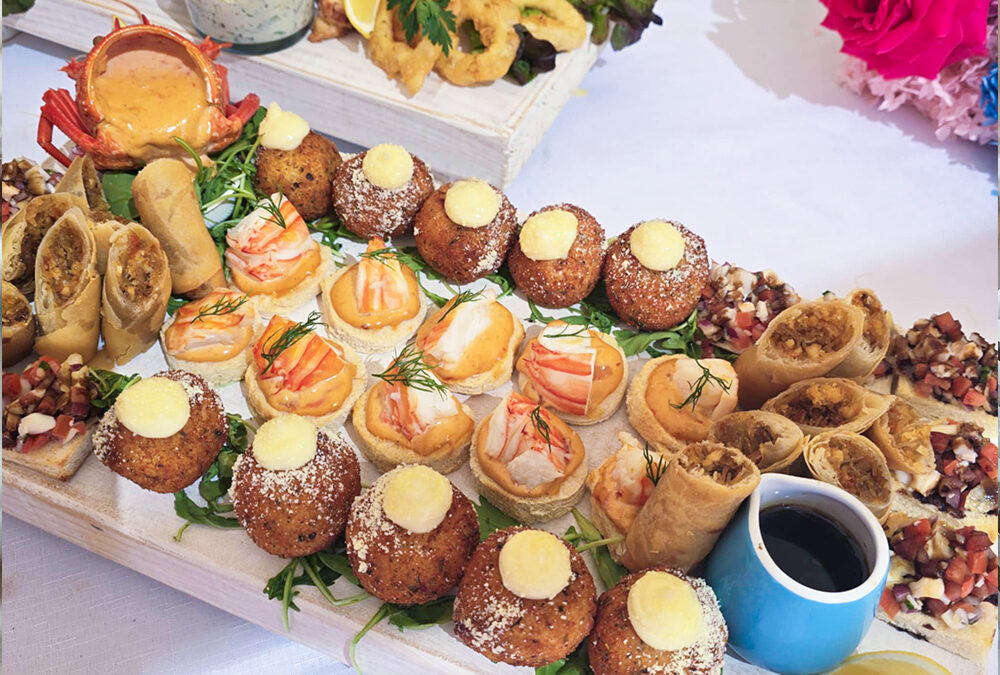
Standing in front of a seafood menu with half a dozen lobster options can feel surprisingly overwhelming. Whether you are a first-time visitor to the Western Australian coast or a seasoned lobster lover looking to try something new, picking the right dish matters. The difference between an ordinary meal and an unforgettable one often comes down to understanding how lobsters are prepared, what flavours complement them, and which style suits your personal taste.
Lobsters have earned their place as one of the world’s most celebrated ingredients, and for good reason. The sweet, delicate meat responds beautifully to a range of cooking methods, from the simplest butter-dipped preparations to bold, aromatic Asian-inspired creations. But not every method works equally well, and the “best” dish depends on factors you might not have considered. This guide walks you through the key decisions that separate a good lobster meal from a truly great one.
Why Does Freshness Matter More Than Anything Else
Before you even think about cooking style or seasoning, freshness is one of the most important factors in any lobster dish. A perfectly prepared recipe cannot rescue lobster that has been sitting around too long. The meat should be firm, sweet, and subtly briny, and those qualities fade quickly once a lobster is out of the water. That said, the evidence suggests freshness is not the only thing that counts, and dish quality also depends on the species, handling, size, and cooking method, so it is best thought of as a foundation rather than the whole story. Guidance from NOAA notes that lobster spoils rapidly after death, which is exactly why prompt cooking matters so much.
How Can You Tell If Lobster Is Truly Fresh
When dining at a coastal restaurant, look for signs that the kitchen sources its lobsters locally and processes them quickly. Restaurants near the water, especially those connected to working fishing operations, often have shorter supply chains and fresher product, although it is worth saying the evidence here is more anecdotal than proven, so it remains a useful rule of thumb rather than a guarantee. Ideally, the lobster you eat has come straight from the ocean to the kitchen with minimal delay.
- Smell – Fresh lobster has a clean, ocean-like aroma. Any strong or ammonia-like odour is a warning sign. Seafood guidance consistently agrees on this point, with freshness checklists flagging sour or ammonia-like smells as a clear sign to walk away.
- Texture – The meat should spring back slightly when pressed, not feel mushy or slimy. This is well supported, with handling guidance from the Lobster Council of Canada noting that quality lobster feels firm and yields only slightly to gentle pressure.
- Appearance – Cooked lobster meat should be white to slightly translucent, not grey or dry at the edges.
- Source transparency – Venues that proudly share where their lobsters come from usually have good reason to boast.
When you are visiting a destination like Cervantes on the Coral Coast, you have a natural advantage. Coastal towns built around the lobster industry offer some of the freshest seafood you will find anywhere in Australia, often caught and served on the same day.
Should You Choose Steamed or Boiled Lobster
This is one of the most debated questions among seafood enthusiasts, and many cooks find that steaming tends to produce a more tender, flavourful result than boiling. That said, not all guides agree it is always the better method, and some prefer boiling for speed and for cooking several lobsters at once, so the choice partly depends on what you are making. The reasoning behind the steaming preference is straightforward, and once you understand it, you will often notice the difference.
What Makes Steaming a Popular Method
When lobster is boiled, the meat sits submerged in water throughout the cooking process. That water can seep into the shell and dilute the natural flavour, leaving the meat slightly waterlogged. Steaming, on the other hand, uses indirect heat from water vapour. Cooking guides such as Lobster from Maine note that this gentler method helps the lobster cook evenly and stay tender, and many also describe it as preserving the natural sweetness, though that flavour point is more culinary wisdom than tested fact.
Steaming also has a practical benefit that experienced cooks appreciate. The meat is less likely to stick to the shell, making it easier to extract whole, beautiful pieces. As expert cooking guidance points out, steaming is also more forgiving on timing, which makes it harder to overcook. If you have ever struggled to pull lobster meat from a claw without it falling apart, the cooking method may well have been the culprit.
|
Factor |
Steamed Lobster |
Boiled Lobster |
|---|---|---|
|
Flavour retention |
Excellent – natural sweetness preserved |
Good, but can taste slightly diluted |
|
Texture |
Tender and firm |
Can become waterlogged if overcooked |
|
Ease of shelling |
Meat separates cleanly from shell |
Meat may stick to shell |
|
Cooking control |
Gentle, forgiving heat |
Easier to overcook by minutes |
|
Best for |
Whole lobster, tail, or claws |
Large batch cooking or lobster boils |
That said, boiling is not wrong. It remains a beloved tradition in many coastal communities and works well for casual, communal meals. If you are eating at a seafood restaurant, the chef’s technique and timing matter more than the method alone. A skilled kitchen can produce exceptional boiled lobster. But if you are cooking at home or have a choice on the menu, steaming is generally a safe bet for maximum flavour.
Is Simple Lobster with Butter and Lemon Really the Best Way to Eat It
Ask a room full of lobster lovers about their favourite preparation, and the most common answer is almost always the simplest. Whole lobster with drawn butter and a squeeze of lemon is a true classic, and many cooking guides describe it as a favoured way to enjoy the ingredient. Whether it is the single “purest” way is a matter of personal taste rather than settled fact, but the pairing is hard to beat.
Why Simplicity Works So Well with Lobster
High-quality lobster meat has a naturally sweet, delicate flavour that can be easily overwhelmed by heavy sauces or aggressive seasoning. Multiple seafood sources describe lobster this way, and flavour guidance commonly recommends simple preparation so the lobster’s natural taste is not masked. Butter complements that sweetness without hiding it, while lemon adds a bright acidity that cuts through the richness. Together, they let the lobster itself remain the star.
- Drawn (clarified) butter is ideal because it removes the milk solids, leaving a clean, golden liquid that clings to the meat.
- Fresh lemon juice adds brightness, and while the evidence on this is mostly culinary rather than tested, many cooks find fresh juice tastes more vibrant than bottled versions, which can taste flatter.
- A light sprinkle of sea salt can enhance the natural brininess.
- Some diners add a pinch of fresh herbs, such as chives or parsley, for a subtle aromatic lift.
This approach works especially well when you are dining in a setting where the lobster is supremely fresh. When the ingredient is at its peak, there is simply no need to complicate things. The ocean, the butter, and the lemon do all the work.
What Are the Most Popular Lobster Dishes Worth Trying
While simplicity has its place, lobster’s versatility means there are dozens of preparations worth exploring. Some have become iconic for a reason, and understanding what makes each one special can help you order with confidence.
Are Lobster Rolls Worth the Hype
Few dishes generate as much passionate debate as the lobster roll. At its core, a lobster roll is chunks of cooked lobster meat served in a buttered, toasted split-top bun. But within that simple description lies a philosophical divide that runs deep.
The cold preparation features lobster meat dressed in mayonnaise, sometimes with a touch of celery and lemon, served chilled. The hot preparation skips the mayo entirely, tossing warm lobster meat in melted butter, often with garlic and lemon juice. Opinions on which version is superior vary considerably, and both camps have devoted followings.
- Cold lobster rolls tend to be lighter and more refreshing, ideal for warm coastal days.
- Hot butter lobster rolls deliver richer, more indulgent flavour and let the lobster’s natural sweetness shine through.
- The quality of the bread matters enormously. A properly toasted, buttery bun makes or breaks the experience.
If you have never tried both versions, it is worth sampling each to discover your preference. Many seasoned seafood fans lean toward the hot butter version for its purity of flavour, but the cold mayo roll has a loyal following that should not be dismissed.
What About Lobster Ravioli and Pasta Dishes
Lobster ravioli, particularly when paired with a lemon brown butter sauce, is one of those dishes that elevates both the pasta and the seafood. The delicate filling benefits from a light, nuanced sauce rather than anything tomato-heavy or cream-laden. A well-made lobster ravioli balances the richness of the filling with the brightness of citrus and the nutty warmth of browned butter.
This is a dish that rewards patience and technique. When done right, each bite delivers a burst of lobster flavour wrapped in silky pasta. When done poorly, the lobster flavour gets lost entirely. Look for restaurants that make their pasta fresh and use generous amounts of lobster in the filling.
How Do Asian-Inspired Lobster Preparations Compare
One of the more exciting trends in lobster cooking involves Asian-inspired flavour profiles, and ginger scallion lobster has become a standout favourite among adventurous diners. This preparation typically involves wok-tossing lobster pieces with fresh ginger, scallions, soy, and sometimes a touch of sesame oil.
The result is a completely different experience from the butter-and-lemon approach. The aromatics add warmth and depth, while the high heat of the wok creates a light char that adds complexity. It is not about replacing the lobster’s flavour but rather framing it in a new context.
- Ginger scallion lobster pairs beautifully with steamed rice.
- Black bean sauce lobster offers a more savoury, umami-rich alternative.
- Lobster in XO sauce delivers a spicy, fermented depth that is intensely satisfying.
These preparations are worth seeking out if you enjoy bold flavours and want to experience lobster beyond the traditional Western approach. They represent a growing appreciation for the ingredient’s versatility across different culinary traditions.
How Should You Decide Between Different Lobster Preparations
With so many options available, choosing can feel daunting. A practical framework helps. Consider these four factors before you order, and you will almost certainly end up with a dish you love.
|
Decision Factor |
What to Consider |
Best Match |
|---|---|---|
|
Your experience level |
First time eating lobster, or seasoned fan? |
Beginners should start with simple butter and lemon preparations |
|
Freshness of the source |
Is the lobster local and freshly caught? |
Ultra-fresh lobster shines brightest in simple preparations |
|
Flavour preference |
Do you prefer delicate or bold flavours? |
Delicate – steamed with butter. Bold – ginger scallion or garlic butter |
|
Occasion and setting |
Casual beachside lunch or special celebration? |
Casual – lobster roll. Celebration – whole steamed lobster or lobster ravioli |
|
Weather and season |
Hot summer day or cooler evening? |
Hot days suit cold lobster rolls. Cool evenings suit warm, rich preparations |
What If You Cannot Decide
When the menu offers multiple lobster dishes and you genuinely cannot choose, consider sharing. Ordering two different preparations for the table allows you to compare side by side, which is not only more fun but also educational. You will quickly learn what you prefer and be able to order with confidence next time.
What Common Mistakes Should You Avoid When Ordering Lobster
Even with the best intentions, there are a few pitfalls that can undermine an otherwise great lobster experience.
Why Overcooking Is the Biggest Enemy of Good Lobster
Lobster meat goes from perfectly tender to rubbery in a matter of minutes. This is more of a concern when cooking at home, but it is worth noting even when dining out. If your lobster arrives tough and chewy, it has almost certainly been overcooked rather than being a bad piece of seafood.
- Avoid reheated lobster – Lobster that has been cooked, cooled, and reheated rarely tastes as good as lobster served immediately after cooking.
- Do not drown it in sauce – Heavy sauces mask the delicate flavour you are paying for. A light touch is always better.
- Skip the pre-frozen option when fresh is available – Frozen lobster can be perfectly acceptable, but fresh will often win if you have the choice.
- Do not judge solely by price – The most expensive lobster dish on the menu is not automatically the best. Often, the simplest preparation is the most satisfying.
How Does Location Influence the Lobster You Eat
Not all lobsters are the same, and where you eat matters enormously. Different species live in different waters and have distinct flavour profiles, textures, and even appearances. The Western Australian rock lobster, for example, is a different experience from a cold-water lobster caught in the North Atlantic.
What Makes Western Australian Rock Lobster Special
The western rock lobster, found along the coast of Western Australia, is prized for its firm, sweet meat and clean flavour. This reputation is well supported, with seafood reference guides describing the flesh as firm with a sweet, rich taste that holds its shape during cooking. The fishery is also recognised as one of the most sustainably managed in the world. In fact, the Marine Stewardship Council notes it was the world’s first fishery certified as sustainable, which means that enjoying it comes with the satisfaction of supporting responsible practices.
Eating lobster near where it is caught gives you a real freshness advantage, though it is fair to note that modern processing and shipping can preserve quality remarkably well too. For live and soft-shell lobster especially, less handling tends to mean better eating, but the gap is not as large as it once was. Even so, the meat is at its absolute freshest near the source, the local chefs understand the ingredient intimately, and the coastal setting adds an intangible quality to the experience. There is something deeply satisfying about eating lobster while looking out at the ocean where it was caught just hours earlier.
What the Evidence Shows About Choosing Great Lobster
If you want the short version of what experienced cooks and seafood bodies tend to agree on, here it is in plain language.
- Freshness genuinely matters. Lobster spoils quickly after it leaves the water, so a clean, ocean-like smell and firm, springy meat are reliable signs of quality, as confirmed by industry handling guidance.
- Lobster has a naturally sweet, delicate flavour that simple preparations like butter and lemon showcase beautifully, which is why heavy sauces are often discouraged.
- Western Australian rock lobster is widely regarded for its firm, sweet meat and comes from a fishery recognised internationally for sustainable management.
- Steaming is often praised for tenderness and gentle, forgiving heat, but the evidence is mixed and many cooks still favour boiling for speed or batch cooking, so neither method is universally “better”.
- Eating close to the source offers a freshness advantage, though we should be honest that modern overnight shipping can preserve much of that quality, so location is a bonus rather than the only thing that counts.
What Should You Do Next to Find Your Perfect Lobster Dish
Choosing the best lobster dish is ultimately a personal journey, but the principles are consistent. Start with freshness, respect the ingredient with thoughtful preparation, and match the cooking style to your taste preferences and the occasion.
If you are planning a visit to the Coral Coast region of Western Australia, you have one of the best opportunities anywhere to taste lobster at its absolute peak. Cervantes sits right in the heart of western rock lobster country, and a day trip from Perth puts you within easy reach of beachfront dining with panoramic ocean views.
Whether you are organising a special celebration, planning a family day out, or simply craving the freshest lobster you have ever tasted, the combination of a stunning coastal setting and expertly prepared seafood creates the kind of memory that sticks with you long after the meal is over.
Key Takeaways for Choosing the Best Lobster Dish
The “best” lobster dish is not a fixed answer. It depends on the freshness of the ingredient, the skill of the kitchen, and your own preferences. But a few principles hold true almost universally.
- Freshness first – Prioritise how recently the lobster was caught, while remembering species, handling, and cooking method all play a part too.
- Steaming often edges out boiling for tenderness and flavour, though both methods have their place.
- Simple works – Butter, lemon, and fresh lobster is a combination that rarely disappoints.
- Explore beyond the classics – Asian-inspired dishes, lobster rolls, and pasta preparations all showcase the ingredient in exciting ways.
- Match the dish to the moment – A casual lunch calls for different choices than a celebratory dinner.
- Location matters – Eating lobster close to the source, especially in a sustainably managed fishery, delivers a wonderful experience.
Trust your instincts, keep it fresh, and do not overthink it. Great lobster has a way of speaking for itself.