Have you ever driven north from Perth and wondered whether there’s a day trip that feels a little more real, a little more hands-on, and a lot less forgettable than the usual stop, snap a photo, and head home routine?
I ask that because I’ve seen the same pattern time and time again. People leave Perth wanting a day out that feels worth the drive. They want good food. They want a view. They want something their kids will actually talk about on the way home. And they want one stop on the trip that feels different from everything else.
That’s where a visit to Cervantes stands out. When people think about this stretch of coast, they usually picture the Pinnacles, the beaches, and the long run up Indian Ocean Drive. Fair enough. It’s a beautiful part of WA. You can see that in a tourism guide to the drive between perth, the pinnacles and cervantes, and you’ll spot the same idea in a regional guide to cervantes on australia’s coral coast. But for me, what makes the trip feel special is that you can do more than look at the coast. You can actually step inside one of the industries that built it.
It feels like a real part of coastal WA
One of the biggest reasons our factory tour feels different is simple. It isn’t made-up tourism. It’s tied to a real working lobster processing plant and a real fishing town.
That matters. People can tell when an experience has been polished so much that it loses its character. What they usually want on a road trip is something genuine. In Cervantes, the lobster industry is part of the place itself. It’s part of the town’s story, part of the local economy, and part of what people have come here for over many years. You can get a feel for that history in this story on how crayfishing helped shape the coastal towns north of perth.
That’s why I think people remember the tour. They aren’t walking through a fake set. They’re seeing where the story of western rock lobster becomes something they can understand with their own eyes.
If you want a closer look at what I mean, our own piece on wa’s western rock lobster industry from sea to table breaks down why this fishery means so much to our state.
You get more than a meal
I love seafood. That probably won’t shock anyone. But even I know that a lunch stop by itself doesn’t always carry a full day trip. A meal can be great and still be over in an hour.
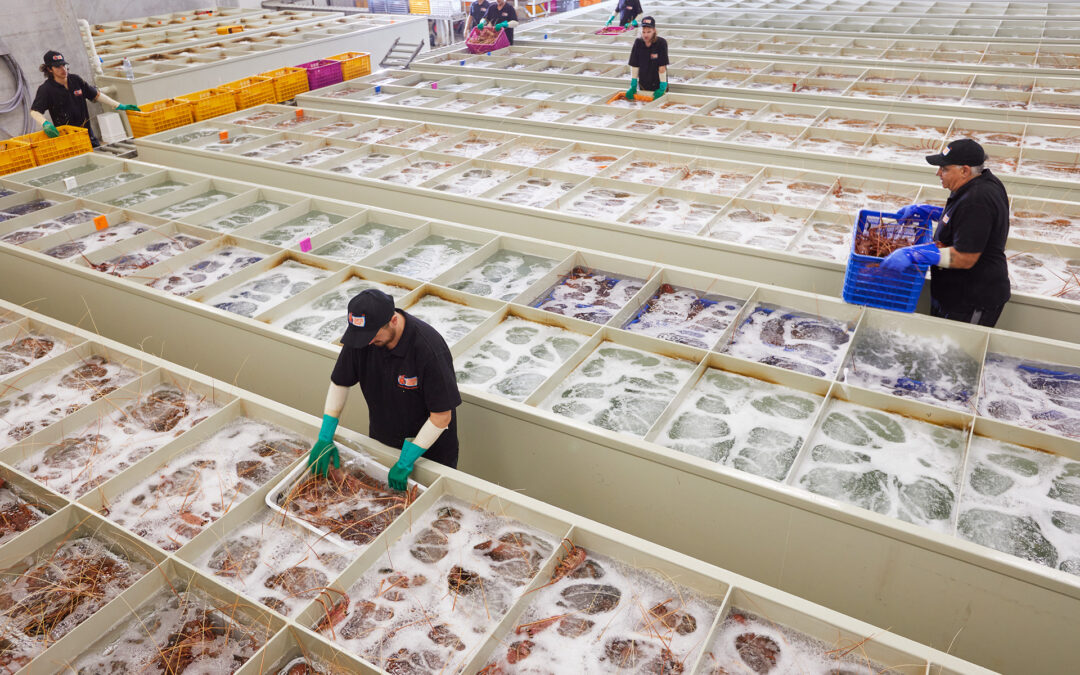
A factory tour gives people something more. They can watch the story behind the meal. They can follow the path from the boats, to the holding lanes, to the live pack out side of the operation. They can ask questions. They can take photos. Kids can look at a lobster up close and stop treating it like some mystery item that only appears on a menu.
That’s a big part of why the day feels fuller. You’re not just eating lobster. You’re seeing the process that sits behind it.
Our factory tour in cervantes has always been about that close-up look. I’ve found that people enjoy the experience more when they can connect what’s on the plate with the place it came from. It turns lunch into a story, and stories are what people take home.
The drive from Perth actually pays off
Anyone from Perth knows the deal. If you’re doing a day trip, the drive has to earn its keep.
No one wants to spend hours in the car for a stop that feels thin. That’s why I think this trip works so well. The road north already gives you that sense of escape. The ocean opens up. The pace changes. The city drops away. By the time you hit Cervantes, you want to do something that matches the setting.
A lot of people like to combine a meal, the coast, and the Pinnacles in one run. I think that’s one of the smartest ways to do it. You can read more in our guide to why cervantes makes such a good day trip, because the appeal isn’t just one attraction. It’s how easily the whole day fits together.
You can leave Perth in the morning, enjoy the drive, spend time with us, and still have room in the day for the beach or a stop at Nambung National Park. That mix is what makes it feel like a proper outing rather than a single errand with a nice view.
Kids stay interested
Families tell me this all the time. The hardest part of a family day trip isn’t getting there. It’s keeping everyone interested once you arrive.
That’s one reason I’m fond of the factory tour. It gives kids something to see and react to. There’s movement. There are tanks. There’s the chance to look at a live lobster up close. There are questions they want to ask. They’re not being told to stand still in front of something and admire it from a distance.
Adults enjoy that too, even if they don’t say it out loud. A hands-on stop breaks up the day in a good way. It shifts the mood from passive to curious.
We’ve written before about why the experience works so well for younger visitors in our look at the factory tour as a fun activity for kids. I still think that’s one of the strongest reasons people choose it when they’re planning a north-of-Perth road trip with family.
It connects naturally with the pinnacles
I don’t think you can talk about a day trip to Cervantes without talking about the Pinnacles. For plenty of visitors, the two belong together.
The contrast is part of the fun. One part of the day gives you a working coastal industry, fresh seafood, and a town built on fishing. The other gives you one of WA’s strangest and most photographed landscapes. That pairing is hard to beat. It feels varied. It feels memorable. And it stops the day from becoming one-note.
Our guide to the pinnacles in nambung national park is handy for anyone building out the rest of the trip, and this wa government piece on tourism in cervantes speaks to why that connection has mattered for years.
If I were telling someone how to make the most of the drive, I’d say this. Don’t choose between the two. Put them together. Let the day move from the coast to the desert and back again.
There is a bigger story behind the lobster
Another reason I believe the tour lands so well is that western rock lobster already carries weight in WA. People know it’s a big part of our state’s seafood identity. Many just haven’t had the chance to see the process close up.
Once they do, the experience shifts. A lobster stops being a fancy menu item and becomes part of a living industry with boats, handling systems, people, timing, and care behind it. That’s the sort of detail people remember because it’s concrete. It’s not vague. It’s right in front of them.
There’s also pride in showing visitors an industry that has built a name for itself. an overview of the west coast rock lobster fishery from wafic explains why this fishery has held such a strong place in Australia for so long. For a lot of guests, learning that side of the story adds real substance to the visit.
It suits the way people actually travel
Let’s be honest. Most people planning a day trip from Perth are looking for three things. They want the drive to be easy enough. They want the stop to feel worth the fuel. And they want the day to give them a story to tell later.
I think a lobster factory tour ticks all three.
The run to Cervantes is straightforward. The setting is beautiful. The experience is different enough that people remember it. And unlike plenty of attractions, it fits all sorts of travellers. Couples enjoy it. Families enjoy it. Visitors from overseas enjoy it. Even locals who’ve driven this road before often tell me they never realised they could get this kind of look inside the lobster trade.
That surprise is part of the charm. A lot of people expect a quick photo stop sort of day. Then they end up with something much more personal and much more grounded.
Why I believe it stands out
If you ask me what makes a lobster factory tour one of the most unique day trips from Perth, my answer is pretty direct. It gives people a rare chance to see a real WA industry up close, eat seafood in the place it’s known for, and fold the whole thing into one of the best coastal drives in the state.
That combination is hard to copy.
You get the road trip. You get the coast. You get the Pinnacles nearby. You get a hands-on experience that suits adults and kids. And you get a stronger sense of place than you’d get from a simple lunch stop.
If you’re planning the drive and want to line things up in advance, you can book your visit with us here. If you’ve got a question before you lock anything in, you can also get in touch with our team.
For me, that’s what makes the day memorable. It feels like WA. It feels grounded. And by the time you head back to Perth, you’ve done more than just see the coast. You’ve spent time inside one of the stories that helped shape it.