
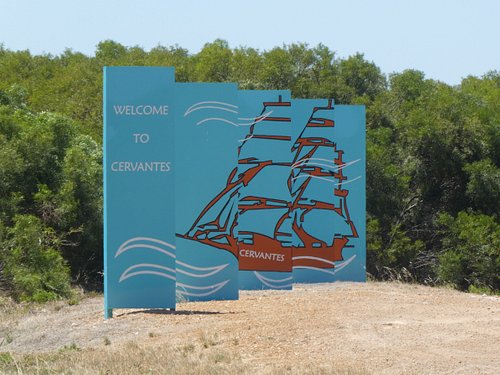
The Coral Coast around Cervantes offers some of Western Australia’s most spectacular yet lesser-known stretches of pristine coastline. While many visitors flock to the famous Pinnacles Desert, the hidden beaches near Cervantes provide quiet escapes where you can enjoy crystal-clear waters, dramatic limestone formations, and untouched natural beauty without the crowds.
These secluded coastal gems lie scattered along the rugged shoreline between Cervantes and the surrounding areas, each offering unique characteristics that make them perfect for different types of coastal experiences. From protected coves ideal for swimming to windswept headlands perfect for photography, discovering these hidden beaches transforms a simple day trip into an unforgettable adventure.
Understanding which beaches suit your preferences, when to visit them, and what to expect helps you make the most of your coastal exploration while staying safe in this remote but rewarding environment.
What Makes Cervantes Hidden Beaches Special
The coastline around Cervantes showcases a remarkable combination of pristine white sand, turquoise waters, and ancient limestone formations that create some of the most photogenic beach settings in Western Australia. Unlike the busier tourist beaches further south, these hidden gems maintain their natural character with minimal development and infrastructure, retaining an authentic fishing village atmosphere even during peak seasons.
Why These Beaches Remain Lesser Known
Several factors contribute to keeping these beaches relatively undiscovered. Most require short walks or drives along unsealed roads, which naturally limits visitor numbers. The remote location, approximately two hours north of Perth, means fewer casual day-trippers venture this far compared to closer coastal destinations.
The rugged terrain and lack of facilities also mean these beaches attract visitors who come prepared for more adventurous coastal experiences rather than conventional beach outings with amenities and services readily available.
Unique Geological Features
The limestone coast creates distinctive beach environments with protected bays, sea caves, and natural rock pools. Ancient coral formations visible both above and below the waterline tell the story of when this area lay beneath prehistoric seas, creating fascinating snorkeling and exploration opportunities.
- Sheltered coves formed by limestone headlands
- Natural rock pools teeming with marine life
- Sea caves accessible at low tide
- Elevated viewpoints for panoramic coastal photography
- Protected swimming areas away from ocean swells
Which Hidden Beaches Should You Visit First
Each hidden beach near Cervantes offers distinct characteristics that appeal to different interests and activity levels. Knowing what each location provides helps you prioritize your time and choose beaches that match your coastal day trip goals.
Hangover Bay for Sunset Photography
Hangover Bay stands out as particularly stunning, especially during sunset hours when the light transforms the limestone cliffs and calm waters into a photographer’s dream. Community observations consistently highlight this location as gorgeous, with winter sunsets creating particularly dramatic lighting conditions.
The bay’s protected position and western exposure make it ideal for evening visits when the setting sun illuminates the water and surrounding rock formations. The relatively calm conditions also make it suitable for swimming during warmer months, though water temperatures remain cool even in summer.
Sandy Cape for Windswept Solitude
This exposed headland offers dramatic coastal views and powerful wave action that creates an entirely different atmosphere from the protected bays. Sandy Cape appeals to visitors seeking rugged natural beauty and the therapeutic sound of waves crashing against ancient limestone.
The elevated position provides excellent whale watching opportunities during migration seasons. Research shows that whale migration seasons typically occur between June and November, when southern right and humpback whales pass close to shore along Australia’s western coast.
Thirsty Point for Rock Pool Exploration
Low tide reveals extensive rock pool systems filled with colorful marine life, making this location perfect for families with children or anyone interested in coastal ecology. Marine research confirms that limestone rock pools harbor miniature marine worlds with colorful anemones, small fish, crabs, and various mollusks. The protected pools remain warm and calm even when offshore conditions are rough.
- Best visited 2-3 hours either side of low tide
- Bring sturdy shoes for walking on wet rocks
- Excellent for photography of marine life and formations
- Natural swimming holes protected from ocean swells
How to Plan Your Hidden Beach Day Trip
Successful exploration of Cervantes’ hidden beaches requires careful planning, especially regarding timing, supplies, and safety considerations. The remote nature of these locations means you need to be self-sufficient and prepared for changing conditions.
When to Visit for Best Conditions
Early morning and late afternoon often provide the most comfortable conditions and better lighting for photography, though experts have different views on optimal timing for beach visits. Midday summer heat can be intense with limited shade, while morning visits often offer calmer water conditions and clearer visibility for snorkeling or rock pool exploration.
Tide timing significantly impacts your experience at different beaches. Low tide opens up rock pool exploration and sea cave access, while high tide provides better swimming conditions in protected bays.
|
Time of Day |
Best For |
Considerations |
|---|---|---|
|
Early Morning |
Swimming, snorkeling, rock pools |
Calm conditions, good visibility |
|
Midday |
Sheltered bay swimming |
Intense heat, seek shade |
|
Late Afternoon |
Photography, sunset viewing |
Beautiful light, cooling temperatures |
|
Evening |
Sunset photography, peaceful atmosphere |
Mosquitoes may emerge, bring repellent |
Essential Supplies and Safety Gear
Pack more water than you think you’ll need, as the coastal sun and wind can cause rapid dehydration in Western Australia’s exposed coastal environments. Bring sun protection including hats, sunscreen, and protective clothing, as there’s minimal natural shade at most hidden beach locations.
Sturdy footwear with good grip proves essential for exploring rocky areas safely. Flip-flops work for sandy areas but switch to closed shoes with traction for scrambling over limestone formations or walking on wet rocks.
- Extra drinking water and snacks
- First aid kit including bandages for cuts from shells or rocks
- Sun hat, sunscreen, and protective clothing
- Sturdy shoes for rock walking
- Waterproof bag for electronics and valuables
- Insect repellent for evening visits
- Fully charged mobile phone for emergencies
What to Expect During Different Seasons
Cervantes’ hidden beaches offer unique experiences throughout the year, with each season bringing distinct weather patterns, marine life activity, and overall conditions that influence the quality of your coastal day trip.
Summer Beach Conditions
December through February brings warm weather ideal for swimming, with local tourism guides recommending these warmer months for beach activities including snorkeling and water sports. However, afternoon sea breezes can create choppy conditions at exposed beaches during this period.
Summer also brings increased tourist activity to the general Cervantes area, though the hidden beaches typically remain quiet due to their remote access. Plan for early morning or late afternoon visits to avoid peak heat and find the calmest water conditions.
Winter Coastal Experiences
June through August offers dramatic coastal scenery with powerful swells creating spectacular wave displays against the limestone cliffs. While swimming becomes less appealing due to cooler water and air temperatures, photography opportunities reach their peak with stunning winter light and dramatic skies.
Winter storms can temporarily make some beach access dangerous, particularly along exposed clifftop areas, with risks including powerful waves, slippery rocks, and unstable ledges. Check weather conditions and avoid coastal exploration during severe weather warnings.
Shoulder Season Advantages
March through May and September through November provide ideal conditions for beach exploration with mild temperatures, generally calm conditions, and excellent visibility for underwater activities. These months often offer the best combination of comfort and accessibility.
Whale migration seasons during these months add an extra dimension to your beach visits, with opportunities to spot whales from elevated viewpoints along the coast.
How to Access Hidden Beaches Safely
Reaching Cervantes’ hidden beaches often involves short walks along informal tracks or drives on unsealed roads. Understanding access requirements and safety protocols ensures you can explore these locations confidently while minimizing environmental impact.
Vehicle Requirements and Road Conditions
While some beaches near Cervantes can be reached with standard vehicles via established roads, the evidence is still emerging on accessibility for truly hidden locations. Many remote coastal tracks require 4WD vehicles due to sand dunes and beach driving conditions. High-clearance vehicles provide more confidence on unsealed tracks, especially after rain when surfaces become soft or muddy.
Park responsibly without blocking access for other visitors or local residents. Some beaches require short walks from parking areas to protect fragile coastal vegetation from vehicle damage.
Walking Track Safety
Informal walking tracks to hidden beaches may not be clearly marked or maintained. Stay on existing paths where possible to prevent erosion and vegetation damage. Carry a GPS device or smartphone with offline maps as backup navigation.
Coastal clifftop areas require extra caution, especially during windy conditions or after rain when surfaces become slippery. Maintain safe distances from cliff edges and supervise children closely in these environments.
- Inform someone of your planned route and return time
- Check tide times and weather conditions before departing
- Stay on established tracks to protect native vegetation
- Carry backup navigation tools
- Turn back if conditions become unsafe
What Marine Life and Natural Features to Look For
The hidden beaches near Cervantes support diverse marine ecosystems and geological formations that enhance the exploration experience. Understanding what to look for helps you appreciate the natural complexity of these coastal environments.
Rock Pool Ecosystems
Limestone rock pools harbor miniature marine worlds with colorful anemones, small fish, crabs, and various mollusks. Marine biologists describe these protected pools as maintaining warmer temperatures than the open ocean and providing safe viewing opportunities for marine life observation.
Visit during low tide for the best rock pool exploration, but handle marine life gently and return any creatures you observe to their original locations. Many species are sensitive to disturbance and temperature changes.
Underwater Formations and Snorkeling
Clear water conditions reveal underwater limestone formations, sea grass beds, and occasional fish schools. Snorkeling gear allows closer examination of underwater landscapes, though water temperatures may require wetsuits outside summer months.
Underwater visibility varies with weather conditions and tides. Calmer days following settled weather typically provide the clearest conditions for underwater observation.
|
Marine Feature |
Best Viewing Time |
Safety Notes |
|---|---|---|
|
Rock pools |
Low tide |
Wear protective footwear |
|
Sea caves |
Low to mid tide |
Never enter alone, check conditions |
|
Underwater formations |
High tide, calm conditions |
Strong swimmer recommended |
|
Seabird colonies |
Early morning, late afternoon |
Observe from distance |
What the research says about coastal exploration
Evidence from tourism and marine research helps inform safe and rewarding beach exploration:
- Cervantes’ coastline is confirmed as part of Australia’s pristine Coral Coast, with white sandy beaches and turquoise waters ideal for swimming and snorkeling
- The location approximately two hours north of Perth creates a natural filter that keeps these beaches less crowded than closer destinations
- Marine scientists document rich rock pool ecosystems containing diverse species including colorful anemones, fish, crabs, and mollusks
- However, the evidence is still emerging on optimal daily timing for beach visits, with local conditions varying significantly
- Not all studies agree on vehicle requirements for accessing remote beaches, with some areas requiring 4WD while others remain accessible to standard vehicles
How to Combine Beach Visits with Local Experiences
A day trip to Cervantes’ hidden beaches can be enhanced by combining coastal exploration with other local experiences that showcase the region’s unique character and natural attractions.
Timing Beach Visits with Local Activities
Plan your beach exploration around meal times at local establishments that specialize in fresh seafood and regional cuisine. Starting with morning beach exploration allows you to work up an appetite for a satisfying lunch featuring local specialties.
Consider the rhythm of your day trip to include both active beach exploration and more relaxed experiences that complement the coastal adventure. This approach helps create a well-rounded day that appeals to different energy levels and interests within your group.
Making the Most of Your Coastal Day Trip
Structure your day to maximize both beach time and local experiences without feeling rushed. Allow flexibility in your schedule to spend extra time at beaches that particularly appeal to your group or to adjust plans based on weather conditions.
Document your discoveries with photography that captures both the natural beauty of hidden beaches and any local experiences that enhance your coastal adventure. These memories become valuable for planning future visits and sharing recommendations with other coastal enthusiasts.
What to Do Next for Your Coastal Adventure
Ready to explore these spectacular hidden beaches and experience the best of coastal Western Australia? Your adventure begins with proper planning and knowing where to find the freshest local seafood to complement your beach exploration.
Consider combining your beach discoveries with authentic coastal dining that showcases the region’s famous seafood and provides the perfect end to a day of coastal exploration. Fresh lobster and local catches taste even better when enjoyed with panoramic ocean views after a day spent discovering secluded beaches.
Book your table for the perfect conclusion to your coastal day trip, where stunning beachfront views and exceptional seafood create memories that last long after your hidden beach adventure ends. The combination of pristine natural discovery and outstanding local cuisine represents the essence of what makes the Cervantes region so special for coastal enthusiasts.
Key Takeaways for Your Hidden Beach Adventure
The hidden beaches near Cervantes offer some of Western Australia’s most rewarding coastal experiences for visitors willing to venture beyond the obvious tourist destinations. From the stunning sunset views at Hangover Bay to the rock pool adventures at secluded coves, each location provides unique opportunities for photography, swimming, and natural exploration.
Success lies in proper preparation, understanding seasonal conditions, and respecting the natural environment that makes these beaches so special. With adequate supplies, appropriate timing, and safety awareness, your coastal day trip becomes an unforgettable journey through some of the most beautiful and pristine coastal landscapes in the region.
These hidden gems reward curious travelers with experiences that showcase the raw natural beauty of the Coral Coast while providing peaceful escapes from busier tourist areas. Your discovery of these secret coastal treasures creates lasting memories and deeper appreciation for Western Australia’s remarkable coastal diversity.